
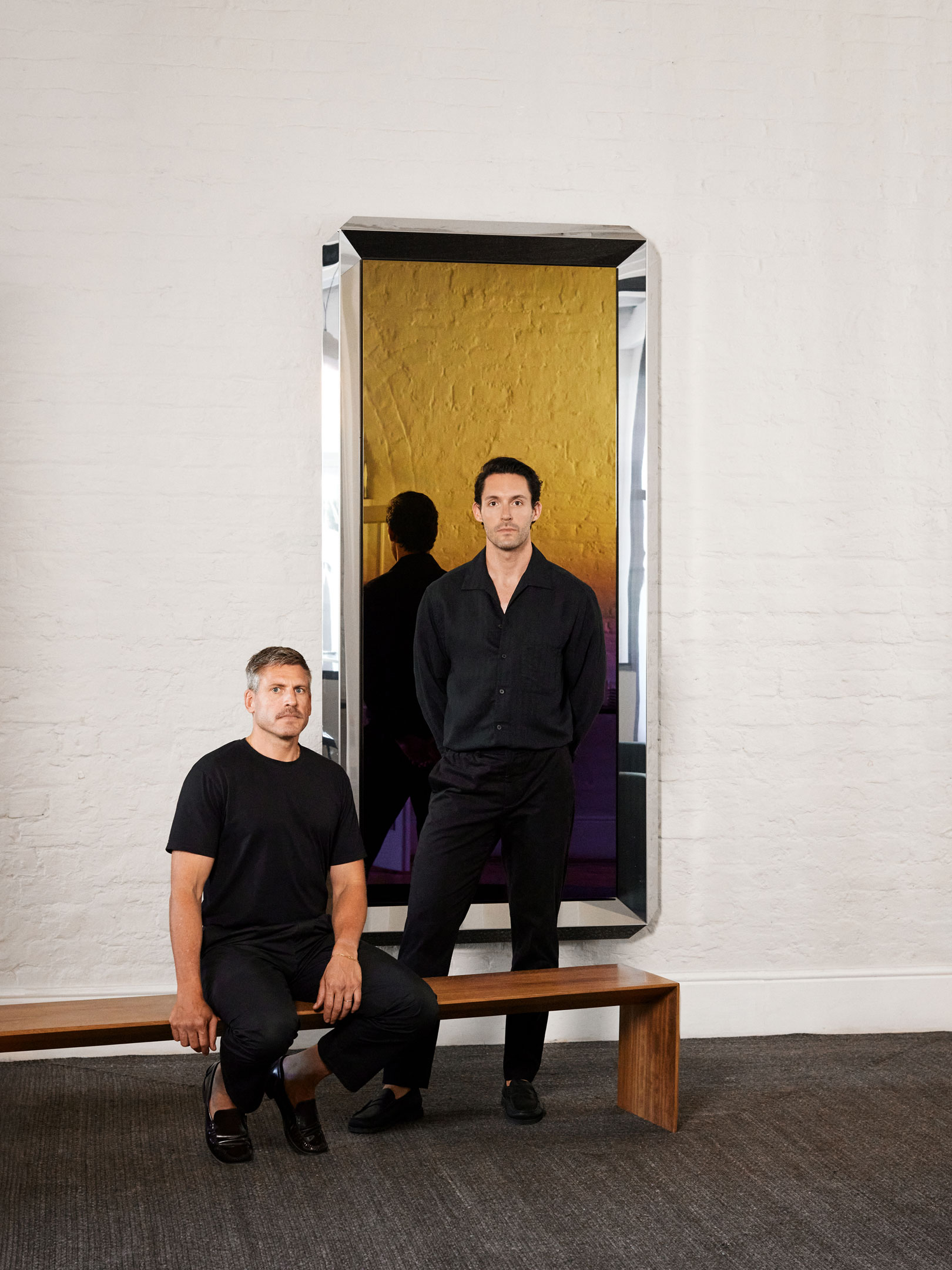
Our designs draw together geometric rigour and an empathetic engagement with our chosen mediums. Counterpoints of weight, finish, and angularity define individual pieces, while the repetition of subtle details and finishes offers continuity across the collection.
At MŪVEK, we consider beauty to be a functional requirement. Balancing formal ambitions with considerations of comfort, each piece, however grounded in utility, is elevated by its compositional qualities and craftsmanship.
We collaborate closely with highly skilled local makers to develop designs receptive to the visual and tactile attributes of the materials we work with. All our pieces are individually made, signed and stamped with a unique serial number, and accompanied by a certificate of authenticity.
Borrowed from Hungarian, our name translates as works. Much as in English, mūvek denotes fabrication and carries both cultural and industrial associations, as in artworks and engineering works. These contrasting yet complementary connotations are central to our design principles: the pairing of poetic expression with manufactured precision and purpose.
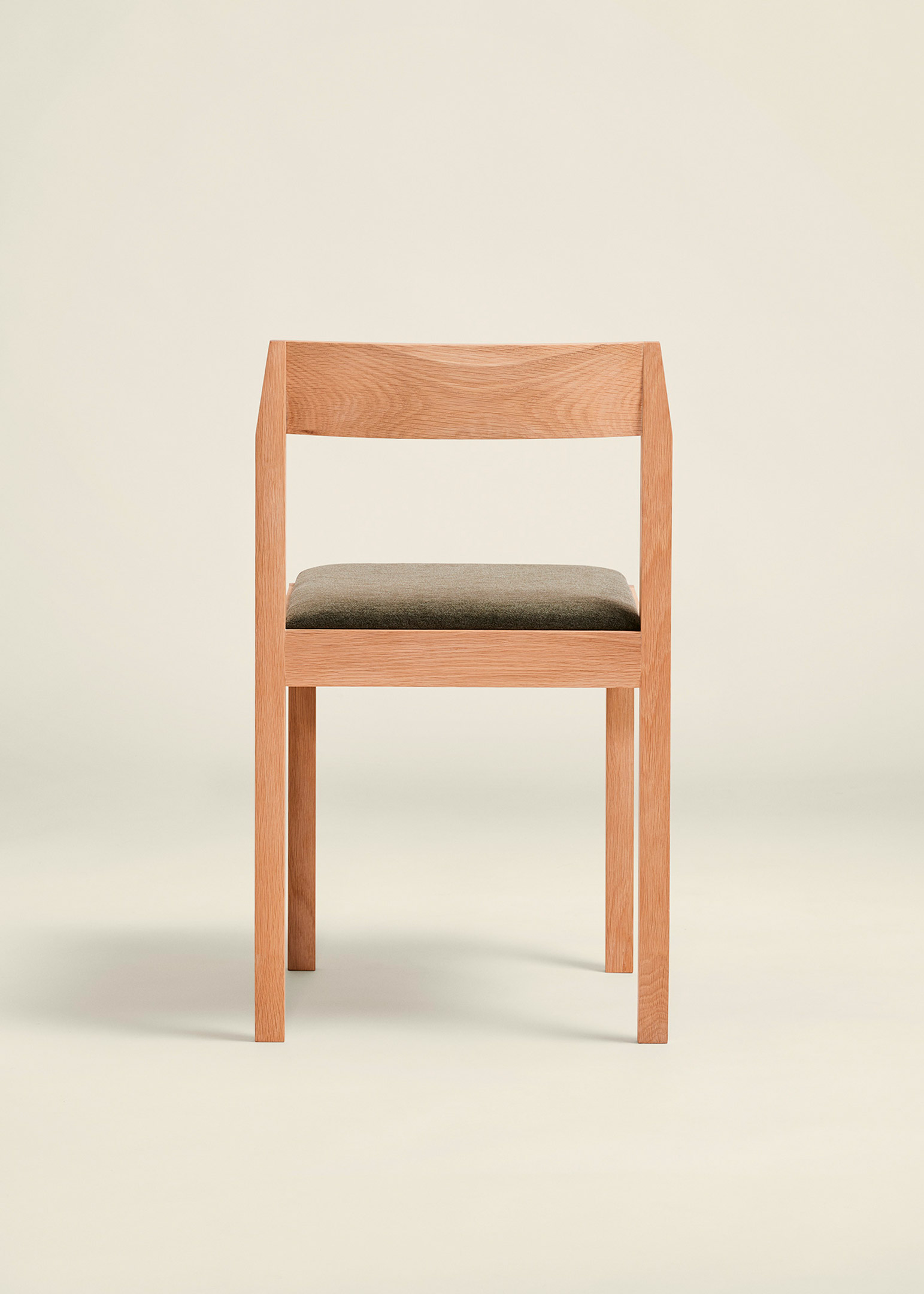
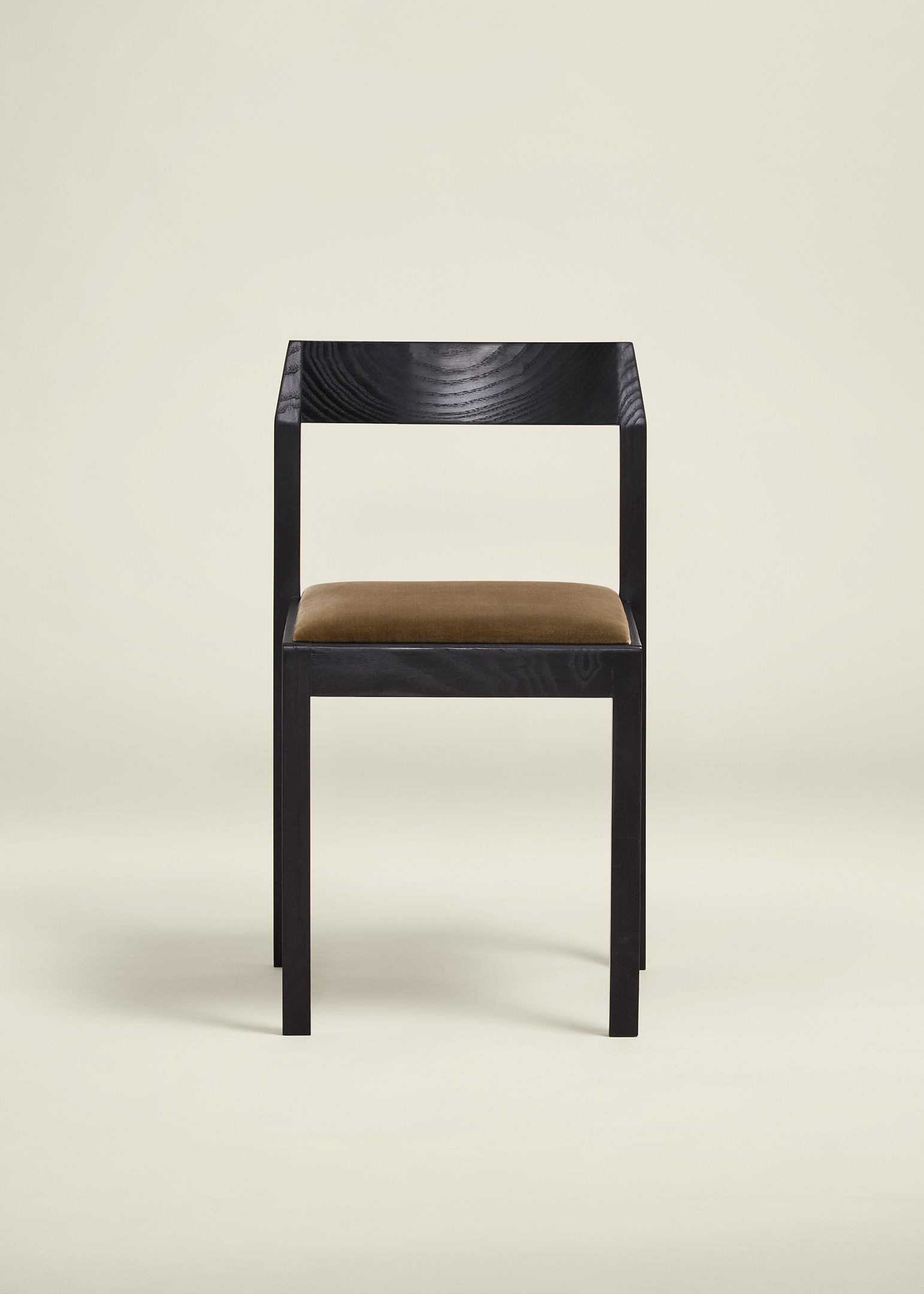
Our focus is to create objects that are both purposeful and poetic, grounded in function, yet elevated by craftsmanship and material presence.
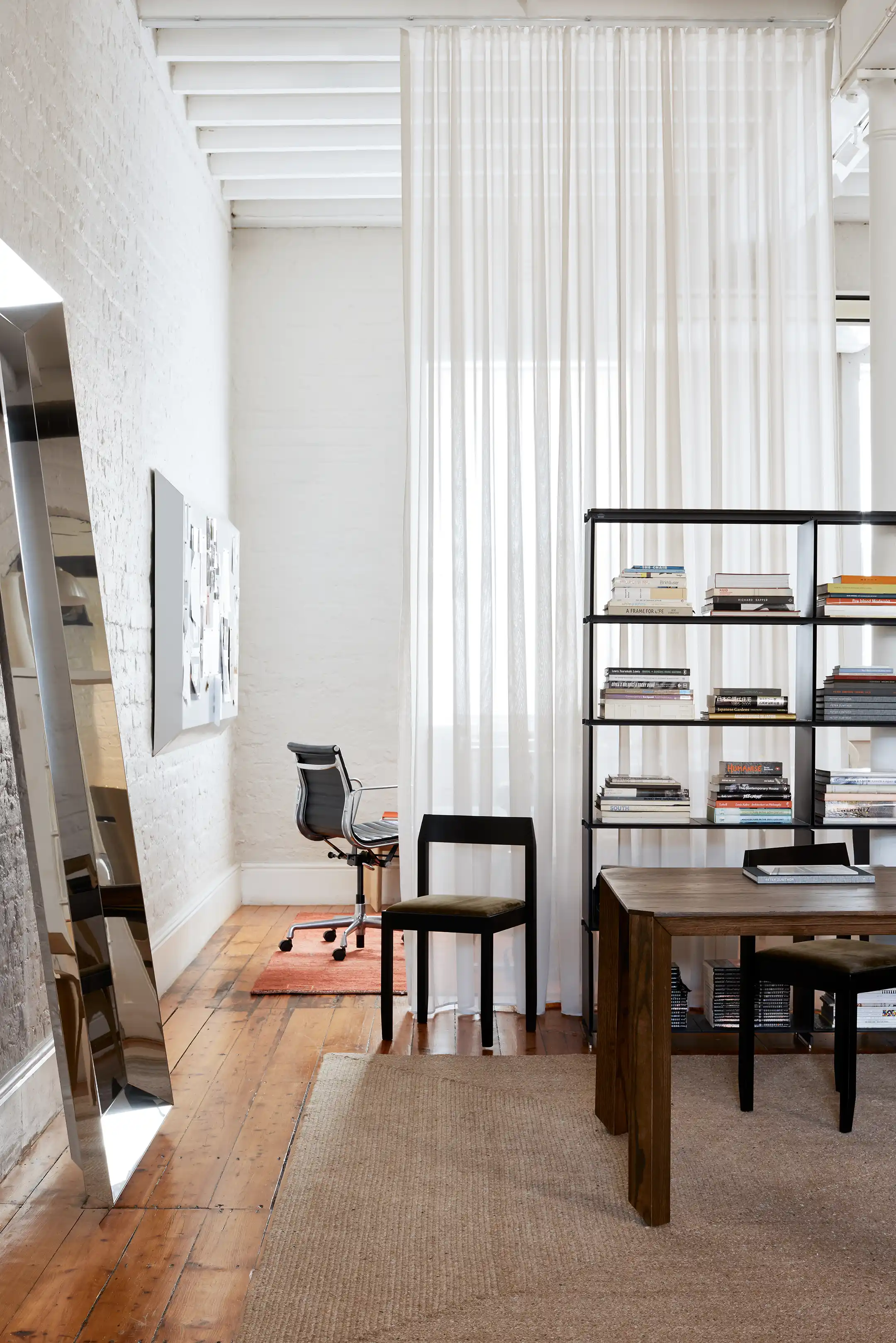
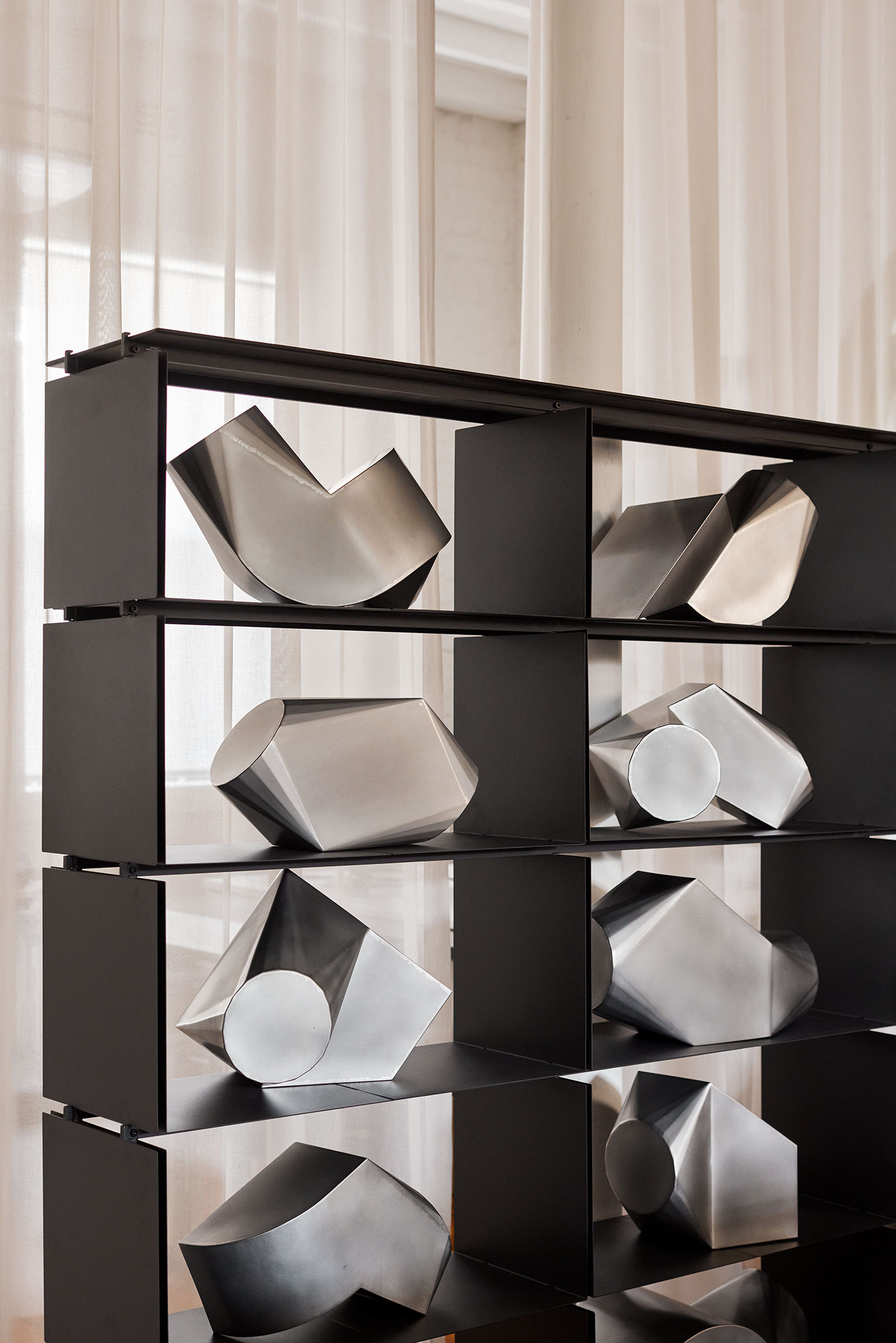
The studio is also a space for collaboration. From time to time, we invite artists and creative practitioners to engage with the environment and bring new perspectives into the room. The first installation is by Cape Town artist Kyle Morland, whose practice engages sculpture and photography.
Kyle Morland’s (b.1986, Johannesburg) practice engages sculpture and photography as a means of documenting and reimagining functional forms and structures. His continuously growing archive of photographs resonates in his sculptures, as he borrows and stretches industrial forms and materials. Morland often makes his own tools in order to realise his sculptures, creating functionless forms from his studio, which is, at times, reminiscent of an industrial workshop. Morland realises his ideas within the context of self-imposed formal constraints —responding to challenges he sets for himself in creating the work.
Kyle Morland is represented by blank projects, Cape Town.


